★★★☆☆3.7(256 reviews)
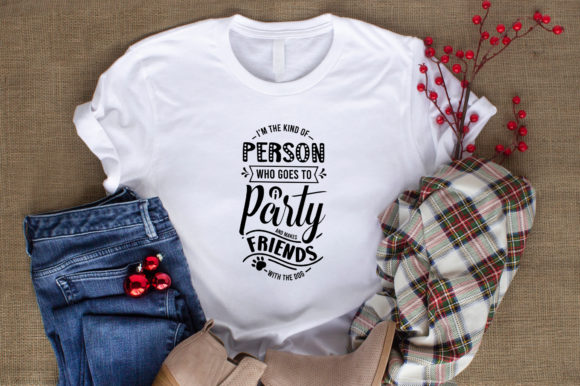
Kind of Person Who Goes to a Svg
Performance in Real-World Embroidery Projects
- Custom Apparel: It works nicely on t-shirts, sweatshirts, and even baby clothes. The design isn’t too busy, so it doesn’t compete with the fabric texture.
- Sweatshirt Embroidery: On a thicker fabric, the design maintains clarity, especially if you use a proper stabilizer.
- Tote Bag Design: The flat layout makes it ideal for larger surfaces, and the details are clear enough to be legible from a distance.
- Baby Embroidery: The gentle tone of the design makes it suitable for children’s items, though I’d recommend testing on lighter fabrics to ensure visibility.
- Holiday Embroidery: It could easily be adapted for seasonal themes, adding a personal touch to holiday gifts or boutique products.
- Commercial Embroidery: This design is versatile enough to be used in a variety of commercial settings, from Etsy listings to craft fair products.
Considerations for Careful Use
- Small Hoop Sizes: The detail level may become compressed if you're using a smaller hoop, so it's best to test the design on scrap fabric before committing to a final product.
- Textured Fabrics: On fabrics with a lot of texture, such as denim or canvas, the design might appear less crisp. Using a good stabilizer can help maintain stitch clarity.
- Dark Fabric: While the design works on dark backgrounds, the contrast between the thread colors and the fabric may need adjustment for optimal visibility.
- Curved Surfaces: If you're planning to use this on a cap or hat, make sure the design flows naturally around the curve. Testing is key here.
- Thin or Stretchy Fabric: These materials can cause distortion, especially in dense stitch areas. Always check your mockups and test on a sample first.
Design Notes for Embroidery Professionals
- Check Thread Color Contrast: Ensure the chosen thread colors provide sufficient contrast against the intended fabric background.
- Review Stitch Density: Make sure the design doesn't have overly dense stitch areas that could cause puckering or distortion.
- Confirm Hoop Size: Choose a hoop size that accommodates the design without compressing it.
- Inspect Small Details: Pay close attention to tiny lettering and decorative accents to ensure they remain clear after stitching.
- Test in Black and White Mockups: This helps identify potential issues with contrast and clarity.
- Use Proper Stabilizer: Especially on stretchy or thin fabrics, a good stabilizer is essential for maintaining shape and stitch quality.
- Confirm Licensing: If you plan to sell finished items or digital products, make sure you have the appropriate licensing rights.
⬇️ Download Free
Free download · No sign-up required
🔗 You Might Also Like
Crafts
A Designer’s First Look: Festive, Friendly, and Fit-for-Purpose When I opened th...
Crafts
As a designer who’s stitched over 300 custom embroidery projects—from boutique b...
Crafts
Where to Pause—and Plan Ahead Hoop size & scale: The original vector has generou...
Crafts
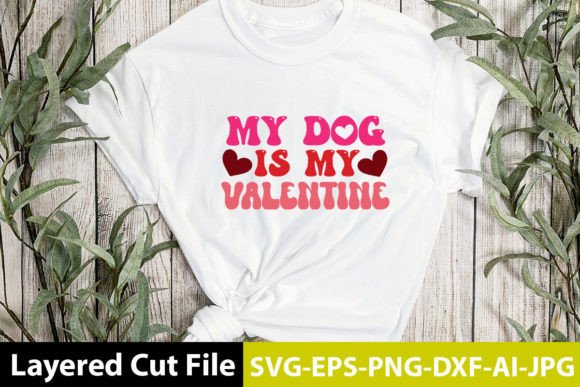
A Designer’s First Look: Charm with Clear Intent When My Dog is My Valentine Ret...
Crafts
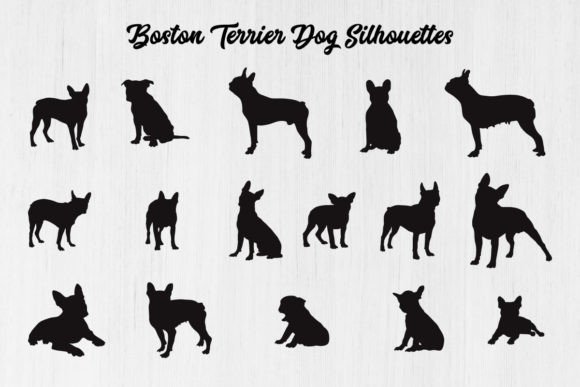
A Clean, Confident Shape That Stitches Like a Dream As someone who’s digitized, ...
