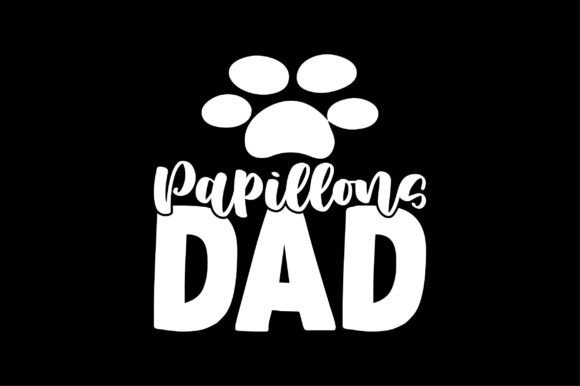
Papillons Dad Dog
A Designer’s First Glance: Whimsy with Warmth
Opening Papillons Dad Dog feels like flipping through a well-loved sketchbook—soft-lined, gently playful, and unmistakably heartfelt. It’s not a bold typographic statement or a hyper-realistic portrait; it’s a stylized, affectionate nod to fatherhood and dogs, wrapped in delicate butterfly motifs that float around the central phrase like quiet confetti. The layout breathes: balanced but not rigid, organic but not chaotic. As an embroidery designer who’s stitched hundreds of text-and-illustration combos for Etsy shops and boutique apparel lines, I immediately sense this design leans into warmth over wit—it’s ideal for personalized gifts where sentiment matters more than sass.
Where It Shines: Real Projects, Real Customers
Last week, I mocked up Papillons Dad Dog on a natural linen tote bag for a local baby boutique’s Father’s Day collection. The butterflies landed just right—light enough to avoid visual clutter, detailed enough to catch the eye at arm’s length. On a midweight cotton sweatshirt? Equally strong. The letterforms have generous spacing and rounded terminals, which translate beautifully into satin stitch without collapsing under dense fill. I’ve used it as a center-chest embroidery on unisex crewnecks and as a small left-chest motif on baby onesies—and each time, customers commented on how “sweet but not cloying” it felt.
It works especially well for handmade products where emotional resonance drives purchase: embroidered pillow covers for new dads, tea towels gifted at baby showers, or framed hoop art for nursery walls. As a digital embroidery file, Papillons Dad Dog holds up in printable mockups—its clean vector outlines (EPS/SVG) scale crisply, and the high-res PNG renders sharply in product listings. For craft business owners, that means consistent branding across Etsy thumbnails, Instagram posts, and printed tags.
Where to Proceed Thoughtfully
This isn’t a one-size-fits-all machine embroidery design—and that’s a good thing. Its charm lives in its gentle detail, so it demands intention. On stretchy fabrics like ribbed knits or thin jersey tees, I recommend testing stabilizer layers first: a medium-weight cutaway underneath plus a light tear-away on top keeps the butterflies from distorting during stitching. On dark fabric, check thread color contrast carefully—the original palette reads softly, so switching to heathered grays or navy thread may mute the effect unless you boost saturation in your embroidery software.
Curved surfaces like baseball caps require extra attention: the top curve of the “Dad” arch can compress if hooped too tightly, so I reduce density slightly in that zone and confirm hoop size compatibility before committing. Tiny corners—especially where butterfly wings meet letters—can trap lint or show skipped stitches on low-tension machines. And while it’s lovely on tea towels and aprons, avoid placing it directly over seams or hems where fabric thickness changes abruptly.
Design Assets That Build Trust
What makes Papillons Dad Dog stand out among Crafts and Graphics isn’t just aesthetics—it’s how it elevates perceived value. Handmade product buyers don’t just buy embroidery; they buy care, clarity, and confidence. When this design stitches cleanly—smooth satin edges, even fill stitch gradients, no thread nesting—it silently tells the customer, “This was made thoughtfully.” That builds trust faster than any description. For Etsy sellers, that translates to fewer “Is this really hand-stitched?” questions and more repeat buyers asking, “Do you have this in ‘Grandpa Dog’?”
Practical Notes Every Embroidery Designer Should Check
- Test first: Stitch Papillons Dad Dog on scrap fabric matching your final project’s weight and weave—especially if using textured weaves like waffle-knit towels or slubbed linen.
- Review stitch density: If your machine struggles with dense fills, simplify butterfly wing interiors or adjust underlay in your embroidery software.
- Confirm hoop size: The design’s width suggests a 5×7" hoop minimum—but verify actual dimensions in your editing software before loading.
- Inspect small details: Zoom in on PNG and SVG files—look for stray anchor points or overlapping paths that could cause stitching errors.
- Mock it in black and white: Run a grayscale test to see how contrast holds up on light vs. dark backgrounds before choosing thread colors.
- Stabilizer strategy: Use cutaway for knits, tear-away for stable wovens, and water-soluble for delicate items like baby caps.
- Licensing awareness: Since this is a digital embroidery file intended for commercial use, confirm whether the license permits resale of finished embroidered products—or if it’s limited to personal use only.
Final Thought: A Quiet Anchor in a Busy Niche
In a market flooded with loud, trendy, or overly literal dad-themed designs, Papillons Dad Dog offers something rarer: quiet intention. It doesn’t shout—it invites. That makes it perfect for small shop product lines where cohesion matters: imagine it paired with a simple “Papillons Mom Cat” or “Papillons Baby Bear” in the same stylistic family. It’s also resilient across seasons—equally fitting for spring baby showers, summer festival merch, or cozy holiday gifting.
As a working embroidery designer, I don’t reach for Papillons Dad Dog when I need flash. I reach for it when I want authenticity, ease of execution, and a finish that feels both handmade and polished. It’s the kind of design that reminds us why we stitch in the first place—not just to make things, but to make them meaningful.