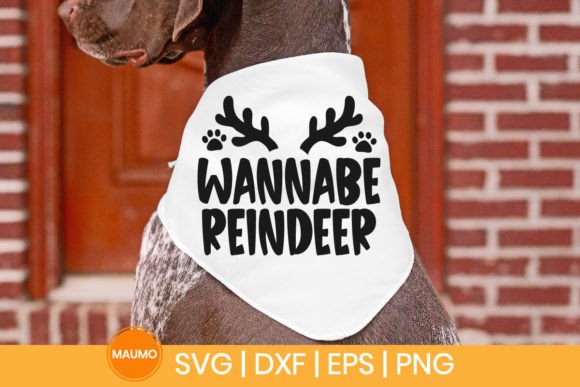
Wannabe Reindeer Dog Christmas Bandana
A Designer’s First Look: Playful, Not Precious
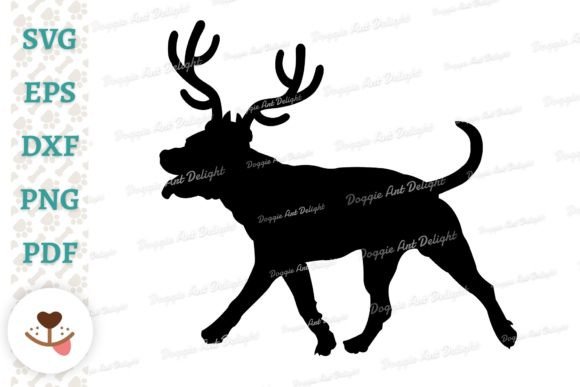
When I opened the Wannabe Reindeer Dog Christmas Bandana file, my first thought wasn’t “cute”—it was “characterful.” There’s a gentle irreverence in the pose: ears slightly askew, antlers tilted like they’re trying *just* too hard, tongue lolling with cheerful self-awareness. It’s not a polished mascot or a hyper-realistic portrait—it’s a hand-drawn personality translated into clean vector lines. That matters. For embroidery designers and craft business owners, this isn’t just decoration; it’s tone-setting. This design leans into warmth over whimsy, approachability over perfection—ideal for handmade products where charm lives in the imperfections.
Where It Shines: Real Projects, Real Fabric
I tested the Wannabe Reindeer Dog Christmas Bandana as the centerpiece on a medium-weight cotton twill tote bag—exactly the kind we stock at our small shop for holiday markets. Stitched with 40-weight polyester thread and light cutaway stabilizer, the design held its shape beautifully. The antlers read clearly, the snout retained soft definition, and the bandana knot (a subtle but clever detail) added just enough visual weight without crowding the composition. It worked equally well on a relaxed-fit crewneck sweatshirt—no puckering, no distortion—even across the slight curve of the chest panel.
For Etsy sellers and custom apparel decorators, this is low-friction holiday embroidery: it scales cleanly from 3.5” to 5”, reads well at arm’s length, and doesn’t demand premium thread counts or specialty needles. As a baby embroidery motif on a gauzy muslin swaddle? I’d recommend simplifying the bandana folds in the stitch file first—but as-is, it’s perfectly suited for toddler tees, kitchen towels, and embroidered patches meant for backpacks or denim jackets.
Where to Pause—and Why
This isn’t a one-size-fits-all machine embroidery design. On thin or highly stretchy fabric—like lightweight jersey or ribbed knit—those delicate antler tips and the fine line defining the bandana edge can blur or distort without careful hooping and stabilizer selection. I wouldn’t place it directly over seams or curved surfaces like baseball caps without adjusting the layout and confirming hoop size compatibility first.
Dark fabric demands attention: the design’s charm relies on contrast between the dog’s face and the bandana, so if you’re stitching on navy or charcoal, test thread colors thoroughly. A warm cream or light tan satin stitch on the bandana reads friendlier than stark white—especially next to black thread for the outline. Also, avoid dense fill-stitch areas near the eyes unless your machine handles fine detail reliably; those small features are better rendered in smooth satin or split satin, not heavy fill.
Stitching Clarity ≠ Visual Clarity
Here’s what surprised me: the Wannabe Reindeer Dog Christmas Bandana looks deceptively simple as a vector graphic—but in embroidery, simplicity needs intention. The bandana knot, for instance, uses layered satin stitches that can flatten into a muddy blob if stitch density is too high or stabilizer too stiff. I dialed back density by 12% and switched to medium tear-away for my pillow cover test—result? Crisp edges, breathable texture, and zero shadowing on the front.
That’s the quiet work of a good embroidery file: it invites interpretation, not automation. You’ll get better results if you treat it as a starting point—not a finished embroidery file set in stone.
Commercial Use & Customer Trust
As a craft business owner who sells personalized gifts year-round, I pay close attention to how designs land emotionally. Customers don’t buy “a dog with antlers”—they buy nostalgia, inside jokes, seasonal warmth. The Wannabe Reindeer Dog Christmas Bandana delivers that without leaning on cliché. It feels handmade even before it’s stitched, which boosts perceived value and reinforces brand consistency for small shops focused on authenticity.
For Etsy sellers listing digital embroidery files or physical finished products, this design supports both paths—but only if licensing permits commercial embroidery use. Since the product description mentions SVG and DXF formats for Cricut and Silhouette (not embroidery-specific formats like PES or DST), double-check license terms before offering it as a downloadable embroidery file. When used as intended—as a printable graphic or base for digitizing—it’s a strong asset for craft business branding, printable mockups, and holiday-themed social media assets.
Practical Notes Every Embroidery Designer Should Run Through
- Test first—on scrap fabric matching your final project’s weight and stretch.
- Check thread color contrast across light and dark backgrounds before batching orders.
- Review stitch density, especially in the bandana folds and antler tips—over-stuffing kills charm.
- Confirm hoop size and adjust scaling if needed—don’t force it into a 3” hoop unless the design naturally fits.
- Inspect small details in your embroidery software: are the eyes defined by running stitch or satin? Can they be cleanly stitched at your target size?
- Try a black-and-white mockup—this design’s silhouette carries most of its appeal.
- Use proper stabilizer: light cutaway for stable fabrics, medium tear-away for medium wovens, and always test on textured surfaces like terry cloth towels.
- Verify licensing before selling finished embroidered items or digital embroidery files—this is a Graphics product, not an out-of-the-box embroidery file.
Fitting In—Not Just Standing Out
The Wannabe Reindeer Dog Christmas Bandana won’t dominate a holiday collection—but it will hold its own. It belongs beside hand-lettered ornaments, minimalist tree silhouettes, and cozy knit patterns—not competing, but complementing. For makers building cohesive seasonal lines, it adds levity without sacrificing craft integrity. And for customers? It lands as thoughtful, not trendy. That’s rare in holiday Crafts—and invaluable when you’re pricing handmade product for gift-giving, boutique shelves, or Etsy search visibility.
If you’re choosing between dozens of holiday graphics this season, let this one earn its place not because it’s flashy, but because it’s finishable, flexible, and quietly memorable. That’s the mark of a design that works—not just once, but across tote bags, tea towels, baby onesies, and the quiet pride of a customer unwrapping something that feels made just for them.