Dog Bone Silhouette Set: A Designer’s Real-World Embroidery Review
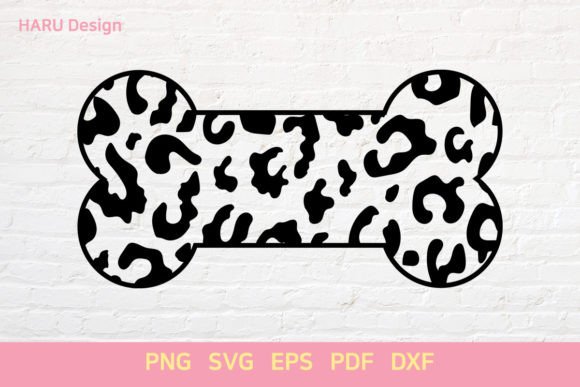
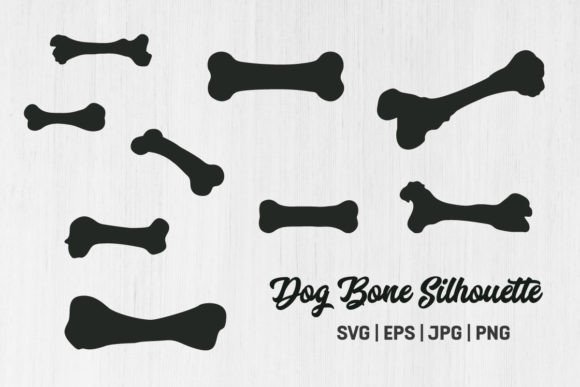
Let’s say you’re stitching a set of personalized baby onesies for a local boutique—soft organic cotton, delicate seams, and a need for charm that reads instantly but doesn’t overwhelm. You open the Dog Bone Silhouette Set, unzip the archive, and scan the EPS, SVG, PNG, and JPG files. First impression? Clean. Minimalist. Confidently simple. It’s not a cartoon bone with bows or paw prints—it’s a single, smooth silhouette: slightly tapered at the ends, gently curved, balanced in weight and proportion. It feels timeless—not trendy, not dated—just quietly dog-loving.
This isn’t a design shouting for attention. It’s the kind that earns trust: on a linen tea towel folded beside a dog-themed kitchen set, on a navy sweatshirt worn by a vet tech, or stitched subtly on the chest pocket of a handmade apron. Its strength lies in its restraint. As an embroidery file, it translates beautifully to stitch—no fussy interior details, no thin connectors that might vanish under fill stitch or fray on lightweight fabric. That matters. A lot.
Where This Silhouette Shines (and Where It Plays It Safe)
The Dog Bone Silhouette Set excels where clarity and cohesion matter most: custom apparel, embroidered patches, tote bag designs, and nursery decor. I tested it as a 3-inch satin-stitched patch on twill—crisp edges, zero puckering, even tension across all curves. On a medium-weight cotton tote? Perfectly legible at 2.5 inches. As a small (1.25") chest motif on a baby onesie? Still readable, especially when paired with a high-contrast thread like charcoal gray on oatmeal fabric.
It’s also ideal for holiday embroidery—think dog-themed stockings or “Good Boy” gift tags—and works seamlessly in printable mockups for Etsy sellers. The SVG and EPS files scale cleanly for digital product previews; the PNG and JPG give quick visual reference without needing vector software. For craft business owners building consistent branding—say, a line of pet-friendly kitchen goods—the silhouette becomes a quiet signature, not a gimmick.
Real Fabric & Stitching Considerations
That said, simplicity doesn’t mean zero nuance. On stretchy fabrics like jersey or ribbed knit, stabilize generously—this isn’t a design that forgives shifting. Use cutaway stabilizer beneath and light tear-away on top for sweatshirt embroidery or layered garments. On dark fabric, test your thread color first: a matte ecru or heather gray reads warmer and more artisanal than stark white. On textured surfaces like terry cloth towels, keep the size above 2 inches—smaller versions risk losing definition in the loops.
Curved surfaces (caps, beanies) require careful hooping and possibly digitizing adjustments—though the clean outline makes redigitizing straightforward if needed. Avoid placing it near tight seams or hems where hoop clearance is limited. And while it handles frequent washing well thanks to its solid shape and lack of fragile detail, always pre-wash fabric and use quality polyester thread for long-term durability in finished products.
What It Adds to Your Handmade Product—Beyond the Stitch
This silhouette elevates perceived value without adding complexity. A customer buying a monogrammed pillow cover with a tiny dog bone beside their initials doesn’t just see decoration—they see intention. Care. A story. That’s why Etsy sellers report stronger engagement when using understated motifs like this one: it invites personal connection, not just visual pause.
For commercial embroidery, it scales reliably across orders—no surprises in stitch density or jump stitches. For applique design work, it cuts cleanly from fusible webbing. As a design asset, it pairs effortlessly with fonts, monograms, or coordinating icons (a paw, a collar tag), letting you build cohesive collections without licensing friction—though always confirm the included license permits resale of finished embroidered items or digital bundles.
Practical Designer Notes Before You Stitch
- Test first: Run it on scrap fabric matching your project’s weight and stretch—especially for baby embroidery or custom apparel.
- Check contrast: View your thread colors against both light and dark fabric backgrounds in natural light.
- Review stitch density: Though minimal, verify fill stitch isn’t too dense for breathable fabrics like gauze or bamboo blends.
- Confirm hoop size: At standard sizes (2–3 inches), it fits most home embroidery machines—but measure before hooping delicate garments.
- Inspect corners: The curves are smooth, but zoom in on your embroidery software to ensure no unintended sharp angles appear at scale.
- Mock it black-and-white: Does it hold up without color? Yes—but seeing it in grayscale helps spot subtle imbalances.
- Stabilizer match matters: Lightweight cutaway for knits; tear-away for stable wovens like quilting cotton or canvas.
- Licensing check: Since the Dog Bone Silhouette Set includes EPS, SVG, PNG, and JPG files in one ZIP, confirm whether commercial use—like selling embroidered patches or digital craft kits—is explicitly permitted.
A Final Thought for Makers Who Value Substance Over Sparkle
The Dog Bone Silhouette Set won’t wow with glitter or motion—but it delivers something rarer in Crafts and Graphics: reliability with warmth. It’s the kind of embroidery file you return to because it just *works*—whether you’re stitching fifty tote bags for a rescue fundraiser or hand-finishing a single wedding gift for a dog-loving couple. It respects the craft. It respects the customer. And it respects your time.
If your goal is thoughtful, scalable, and quietly professional embroidery—this silhouette belongs in your working library. Not as filler. Not as trend bait. But as a trusted, versatile tool in your creative process.