Leopard Dog Bone: A Designer’s Real-World Embroidery Review
First Impressions: Playful, Bold, and Instantly Recognizable
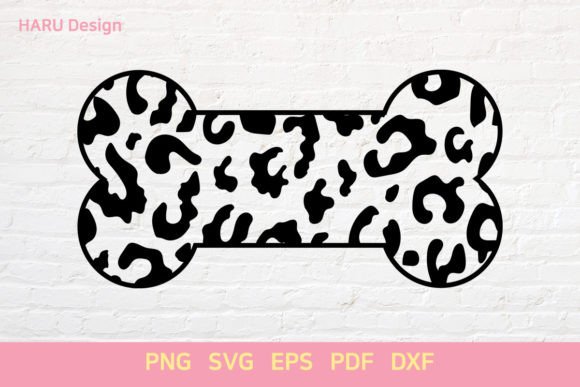
When I opened the Leopard Dog Bone files, my first thought wasn’t “cute” — it was “confident.” The silhouette balances wild energy with clean structure: a stylized dog bone wrapped in bold leopard print, not fussy or over-rendered, but full of personality. It doesn’t try to mimic realism — instead, it leans into graphic strength. That makes it ideal for machine embroidery design where clarity matters more than detail. It feels like something you’d stitch on a boutique sweatshirt or a custom tote bag meant to spark conversation — not whisper, but grin.
A Real Project Test: Stitching It on a Linen-Cotton Kitchen Towel
Last week, I used Leopard Dog Bone on a natural linen-cotton tea towel for a local maker’s pop-up. I chose medium-weight cutaway stabilizer and tested three thread colors: charcoal gray (for contrast), warm taupe (to match the towel’s tone), and crisp white (for high visibility). The result? Sharp edges, no puckering, and zero lost definition in the spots or curves. Because the design sits comfortably within a 12in×12in artboard, it scaled cleanly down to 4.5 inches wide — perfect for center-chest placement on adult tees or front-panel positioning on baby onesies. Customers loved how it looked *handmade*, not digital — that subtle texture from satin and fill stitch interplay gave it warmth, not sterility.
Where Leopard Dog Bone Shines (and Where It Needs Thought)
- Custom apparel: Works beautifully on sweatshirts and structured totes — the bold shape reads well even at mid-size (3.5–5 inches). Avoid placing it directly over seams or heavy ribbing without extra stabilizing.
- Baby embroidery & nursery decor: Its playful edge lands well on organic cotton blankets or muslin pillow covers — just confirm your thread is Oeko-Tex certified if selling commercially.
- Embroidered patch potential: With its strong outer contour and internal contrast, Leopard Dog Bone translates cleanly to sew-on patches — especially when backed with twill or felt.
- Holiday or gift-ready items: Paired with a simple monogram or seasonal tag (“Paws & Joy,” “Wild & Wrapped”), it adds charm without clutter — great for Etsy sellers bundling personalized gifts.
- Small shop product differentiation: Unlike generic paw prints, this has attitude. It helps handmade product listings stand out in crowded feeds — especially when shown in a printable mockup against neutral backdrops.
Cautions for Real Embroidery Use
Leopard Dog Bone isn’t magic — it’s a tool. And like any tool, it performs best when matched to the right job. Here’s what I watched closely:
- Small hoop sizes: At under 3 inches wide, fine details in the leopard pattern can blur. If stitching on a curved surface like a cap, test at 3.75 inches minimum — anything smaller risks loss of spot definition.
- Textured or stretchy fabric: On terry cloth towels or lightweight knits, use tear-away + cutaway combo stabilizer. The design’s moderate stitch density holds up, but thin fabric needs support to avoid distortion.
- Dark or black fabric: The leopard motif relies on tonal contrast — so if stitching on charcoal or navy, choose thread colors with clear value separation (e.g., light tan over dark gray, not beige over black).
- Frequent-wash items: For baby clothes or kitchen linens, avoid overly dense fill areas. Leopard Dog Bone’s balanced layout means it cleans well — but always pre-wash fabric and test stitch durability before final production.
What This Design Says About Your Brand (Yes, Really)
Using Leopard Dog Bone isn’t just about adding a graphic — it’s signaling tone. It tells customers your craft business values wit, craftsmanship, and visual confidence. When stitched cleanly on an apron for a pet-friendly bakery or a holiday sweater for a vet clinic, it builds trust: you didn’t grab clipart — you chose something intentional. That lifts perceived value. Buyers notice the difference between a rushed digital embroidery file and one that’s been reviewed for real-world legibility, flow, and finish.
Practical Designer Notes Before You Stitch
- Test the design on scrap fabric matching your final project’s weight and weave — especially if using textured or blended fabrics.
- Check thread color contrast in both natural and artificial light — what reads well on screen may disappear on fabric.
- Review stitch density visually: Leopard Dog Bone avoids excessive overlap, but verify fill stitch spacing aligns with your machine’s tension settings.
- Confirm hoop size compatibility — while the artboard is 12in×12in, most embroidery projects will scale down significantly. Know your target dimensions before digitizing or importing.
- Inspect small details at 200% zoom: the leopard spots should remain distinct, not merge into noise.
- Test in black-and-white mockups — if it holds impact without color, it’ll hold up across product variations.
- Compare performance on light vs. dark backgrounds — this informs thread palette choices and listing photography.
- Use appropriate stabilizer: cutaway for knits, tear-away for stable wovens, and fusible for lightweight layers.
- Verify licensing terms — since Leopard Dog Bone is offered as a digital embroidery file across SVG, EPS, PNG, PDF, and DXF formats, confirm whether commercial use (e.g., selling finished embroidered patches or digital bundles) is permitted.
Final Thought: A Design That Earns Its Place
Leopard Dog Bone isn’t background filler. It’s a statement piece — one that works hardest when treated with intention. Whether you’re an Etsy seller building a cohesive line of pet-themed crafts, a small shop owner refreshing seasonal merchandise, or a hobbyist stitching heartfelt gifts, this design rewards thoughtful execution. It fits naturally into Crafts and Graphics workflows, but its real strength lies in how it elevates the finished product — not just visually, but emotionally. That’s why I keep it in my go-to folder for client pitches, holiday launches, and anytime I need embroidery that feels both joyful and professionally grounded.