Dog Love Heart: A Designer’s Real-World Embroidery Review
First Impression: Sweet, Simple, and Immediately Recognizable
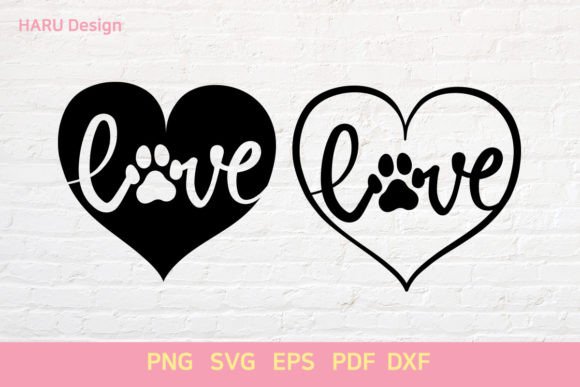
When I opened Dog Love Heart, my first thought wasn’t “cute”—it was “usable.” The composition is clean: two stylized dog silhouettes leaning into a heart, balanced and centered on a 12in×12in artboard. There’s no clutter, no excessive linework, no forced cuteness that would collapse under satin stitch. It reads as warm and sincere—not saccharine—making it ideal for handmade products where authenticity matters. As a designer who regularly sources embroidery files for client projects and small-batch production, I appreciate how quickly this design communicates its theme without relying on text or exaggerated detail.
A Tote Bag Test: Where Personality Meets Practicality
Last week, I prepped a custom order for a local pet boutique: six canvas tote bags, each embroidered with a different animal-themed design. Dog Love Heart was the top pick—not because it’s flashy, but because it scales beautifully from 4 inches wide (perfect for a side panel) to full 8-inch chest placement on a sweatshirt. On medium-weight canvas, the curves held their shape in fill stitch, and the negative space between the dogs and heart gave breathing room for thread texture. Customers responded strongly to the warmth of the motif—it felt personal, not mass-produced. That emotional resonance? That’s what turns a simple embroidered tote into a keepsake.
Where It Shines—and Where It Needs Careful Handling
Dog Love Heart performs reliably across many common embroidery applications: sweatshirt embroidery, baby embroidery (think onesies or burp cloths), embroidered patches, pillow covers, tea towels, and even holiday embroidery like Valentine’s Day aprons or nursery decor. Its open layout avoids dense stitch areas that trap lint or distort thin fabric, and the lack of tiny interior details means it translates well to running stitch outlines or simplified applique designs.
That said, I’d avoid using Dog Love Heart at under 3 inches on stretchy fabric—like ribbed knit tees—without testing stabilizer layers first. The heart’s curved edges can ripple if hooping isn’t precise. On dark fabric, I recommend stitching the outer silhouette in white or cream thread first, then filling the heart in a contrasting tone (like brick red or navy) to preserve clarity. And while it works on caps, I’d skip the crown curve—this design reads best on flat or gently contoured surfaces like front panels or tote straps.
Design Assets That Support Real Craft Business Needs
The file package—2 SVG, 2 EPS, 2 PNG, 2 PDF, and 2 DXF—is thoughtful for a Graphics category product. As an Etsy seller and craft business owner myself, I value having both vector and raster options: SVG and EPS for resizing without loss, PNG for quick mockups, PDF for printing templates, and DXF for laser-cutting companion patches or wood signs. Having two versions of each format suggests attention to compatibility—perhaps one optimized for digitizing software, another for print-ready use. Still, always verify stitch density and hoop size requirements before loading into your embroidery machine; those details aren’t listed here, so test first.
What This Design Says About Your Brand—Before a Single Stitch
In handmade product markets, design choice is brand language. Dog Love Heart signals approachability, care, and quiet confidence—not trend-chasing, but time-tested charm. When used on personalized gifts or boutique merchandise, it reinforces trust: customers recognize sincerity in simplicity. It doesn’t shout; it invites. That makes it strong for wedding gifts (think matching his-and-hers pet-themed towels), small shop branding (a subtle logo alternative), or Etsy listings where visual cohesion matters across photos, tags, and packaging.
I’ve seen too many digital embroidery files fail at the “finished product” stage—not because they’re poorly drawn, but because they ignore how thread behaves on real fabric. Dog Love Heart avoids that pitfall. Its proportions allow generous underlay, its curves are smooth enough for consistent satin stitch coverage, and its scale leaves room for natural thread variation—no rigid perfectionism that feels cold or machine-made.
Practical Notes Every Embroidery Designer Should Run Through
- Test on scrap fabric first—especially if pairing with textured weaves like linen or terry cloth.
- Check thread color contrast early: this design relies on shape, not shading, so mismatched tones can mute its impact.
- Review stitch density if converting to applique—those heart contours should stay crisp, not fuzzy.
- Confirm hoop size compatibility: the 12in×12in artboard gives flexibility, but most home machines max out at 5×7 or 6×10—resize accordingly and recheck proportions.
- Inspect small details at 200% zoom: look for stray anchor points or overlapping paths that could confuse your embroidery software.
- Test black-and-white mockups to assess readability on light and dark backgrounds—this design holds up well, but verify.
- Use proper stabilizer: medium-weight cutaway for knits, tear-away for stable wovens, and fusible for lightweight fabrics like voile.
- Confirm licensing terms before selling finished items or bundling Dog Love Heart as part of a digital embroidery file pack—this is essential for commercial embroidery and Etsy sellers.
Final Thought: Not Just Another Dog Graphic
Dog Love Heart isn’t trying to be everything. It’s focused, intentional, and built for repetition—whether you’re stitching one custom baby onesie or fifty tote bags for a craft fair. In the Crafts world, where attention spans are short and handmade value is earned stitch by stitch, that kind of clarity is rare. It’s the kind of embroidery file that disappears into the product—so the love, the dog, and the heart all come through, undiluted.