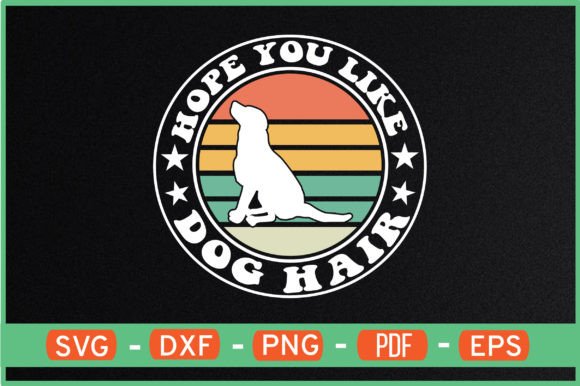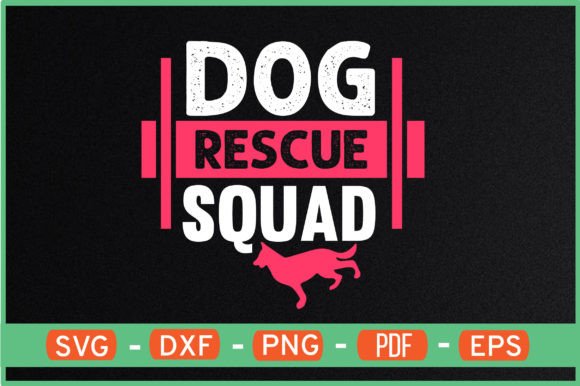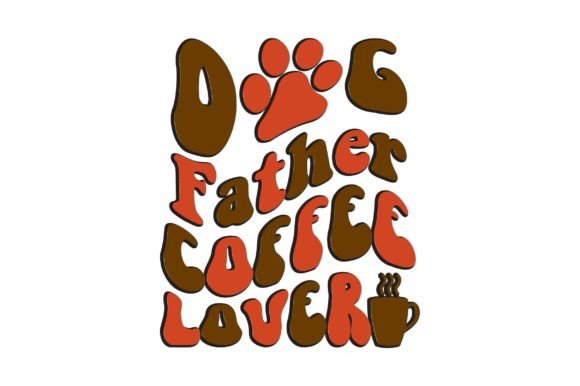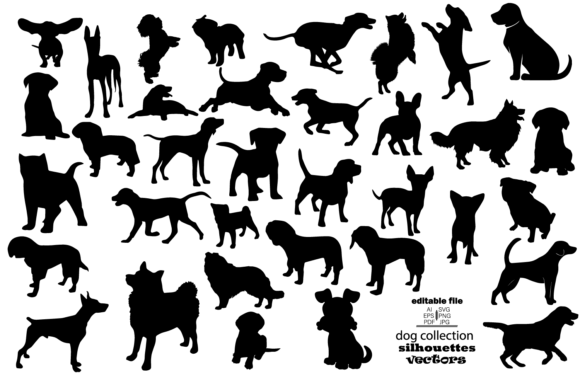
Dog Lover T-Shirt Designs
First Impression: Sweet, Simple, and Stitch-Ready
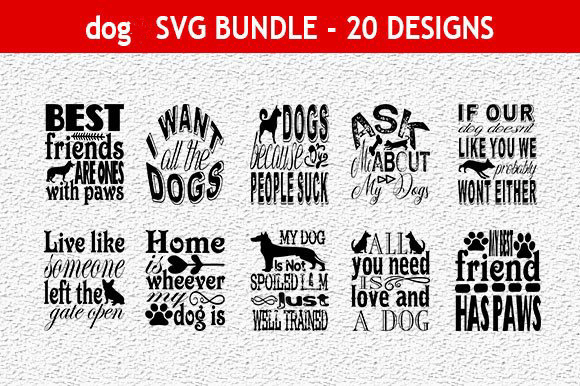
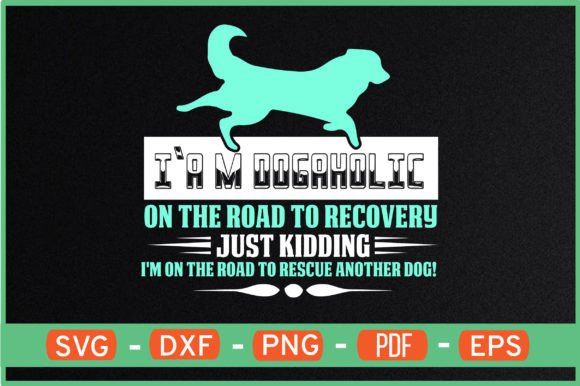
Opening the Dog Lover T-Shirt Designs zip file, I immediately noticed how clean and intentional the vector files feel — not overly detailed, but full of warmth and character. This isn’t a hyper-realistic portrait or a busy scene; it’s a friendly, stylized dog motif — think soft curves, open negative space, and balanced proportions. As an embroidery designer who’s stitched hundreds of pet-themed pieces, I recognized its quiet confidence: it doesn’t shout, but it holds attention. It reads well at 3"–4" wide — ideal for chest placement on tees, left-pocket positioning on tote bags, or centered front panels on baby onesies. The layout suggests ease of digitization: no tight corners, minimal fine-line work, and natural flow for satin stitch borders or gentle fill-stitch bodies.
Real-Life Test: A Custom Embroidered Kitchen Towel for a Local Dog Rescue Fundraiser
Last week, I used Dog Lover T-Shirt Designs to create embroidered kitchen towels for a boutique fundraiser. We chose soft, medium-weight cotton terry — textured but stable. After converting the SVG into a machine embroidery design (using my standard digitizing workflow), I hooped it with tear-away + light cutaway stabilizer. The stitch-out was smooth: no puckering, no thread breaks, and the design retained its charm even at 3.2". Customers loved how approachable it felt — not cutesy, not clinical, just authentically *dog*. One buyer told me she bought two: one for her kitchen, one framed as a gift for her vet. That kind of emotional resonance matters — especially when your craft business relies on handmade product authenticity.
Where It Shines (and Where It Needs Thought)
Dog Lover T-Shirt Designs works beautifully across several real-world applications:
- Custom apparel: Clean lines hold up well on crewneck sweatshirts and relaxed-fit tees — especially with contrasting thread (navy thread on heather grey, cream on charcoal).
- Tote bag design: Its moderate width and open shape prevent distortion on canvas or canvas-blend fabrics.
- Baby embroidery: Gentle scale and lack of tiny details make it safe and soothing for onesies and burp cloths — just confirm thread safety if selling commercially.
- Embroidered patch: With minor cleanup (tightening satin stitch edges, simplifying interior shapes), it translates cleanly to iron-on or sew-on patches.
- Holiday embroidery & personalized gifts: Paired with a simple “Best Dog Mom Ever” text block, it elevates mugs, pillow covers, and aprons without overwhelming them.
But let’s be honest — not every surface is forgiving. Use extra care on:
- Stretchy fabric: Like jersey or ribbed knits — always test with proper stabilizer and possibly reduce stitch density slightly.
- Dark fabric: The design’s open structure means thread color contrast becomes critical. Test black thread on navy — sometimes it disappears. Cream or mustard often reads better.
- Curved surfaces (caps, curved pockets): The shape is flat-friendly. For caps, consider simplifying interior details or adjusting underlay to prevent shadowing.
- Frequent-wash items (tea towels, baby clothes): Confirm your thread choice (polyester > rayon for durability) and avoid ultra-thin satin-stitch areas that may fray over time.
Design Integrity Meets Business Reality
As an Etsy seller and small shop product developer, I pay close attention to how a digital embroidery file affects perceived value. Dog Lover T-Shirt Designs lands in that sweet spot: it feels hand-drawn but professional — not generic, not over-engineered. When stitched, it enhances brand consistency for pet-themed boutiques or rescue-aligned shops. It also supports strong printable mockups: the SVG scales crisply for social previews, and its simplicity makes it easy to style with neutral backgrounds or lifestyle photos.
That said — this is a Graphics file, not a pre-digitized embroidery file. If you’re new to digitizing, don’t assume it’ll stitch perfectly straight from the SVG. You’ll need to adjust underlay, set appropriate stitch types (satin for outlines, fill for bodies), and manage stitch density based on fabric and hoop size. And crucially: review licensing before selling finished products or bundling it into digital product kits. The listing states “DIGITAL DOWNLOAD ONLY” — so commercial use depends entirely on the creator’s terms. Always verify.
Practical Notes Every Embroidery Designer Should Run Through
- Test first: Stitch on scrap fabric matching your final project’s weight and texture — especially if using textured or dark fabric.
- Check thread colors: Try three options — light, dark, and mid-tone — against your base fabric in natural light.
- Review stitch density: High-density fills can cause stiffness on lightweight items like baby onesies. Adjust in your software if needed.
- Confirm hoop size: Does your machine’s standard hoop comfortably fit the design at your intended size? Avoid excessive re-hooping.
- Inspect small details: Even simple designs can have thin connecting lines or tight curves that break during stitching — zoom in and clean up where needed.
- Mock it in black and white: Helps spot contrast issues before cutting thread.
- Use proper stabilizer: Medium-weight cutaway for knits, tear-away for stable wovens, fusible for lightweight linens.
- Clarify usage rights: Is this for personal use only? Small business? Resellable as part of a physical product? Check before listing on Etsy or your own shop.
In short: Dog Lover T-Shirt Designs isn’t flashy — and that’s its strength. It’s a thoughtful, adaptable piece of Crafts infrastructure. Whether you're building a holiday embroidery collection, launching a line of rescue-themed merchandise, or stitching heartfelt personalized gifts, this design earns its place in your working library — not because it’s perfect out of the box, but because it invites intention, care, and quiet craftsmanship.