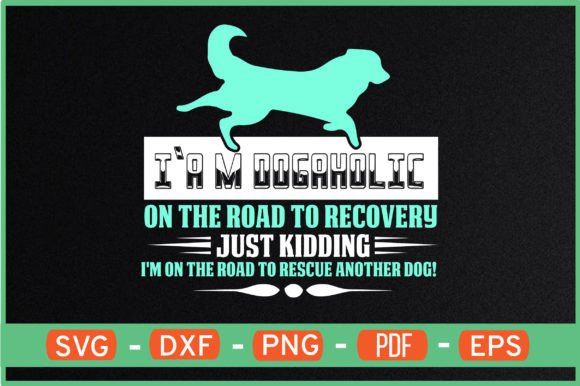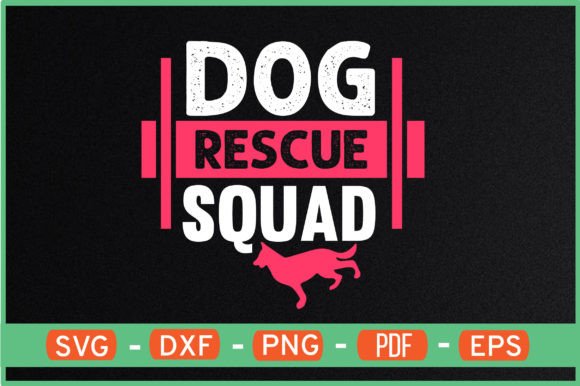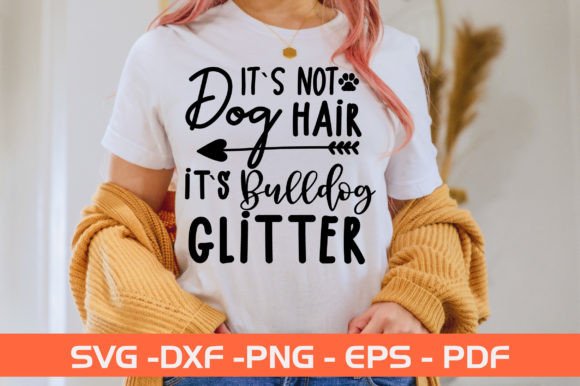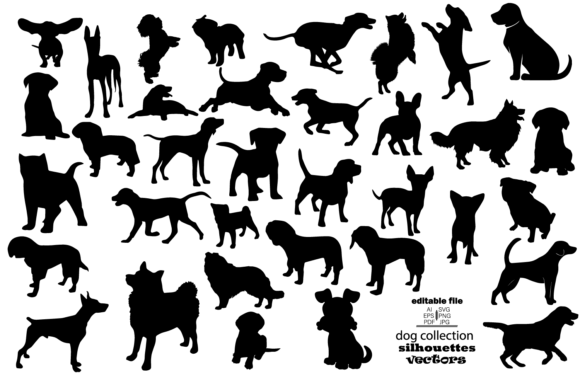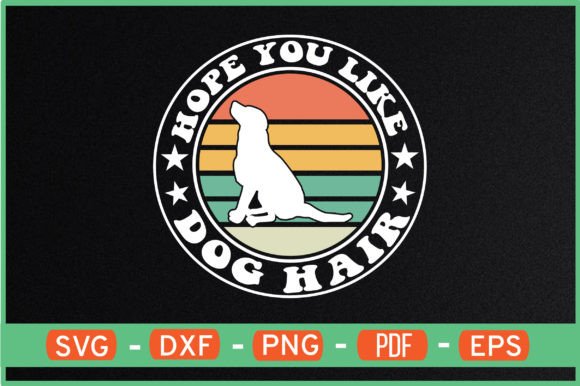
HOPE YOU LIKE DOG HAIR T-Shirt Designs
A Designer’s First Look: Playful, Punchy—and Perfect for Pet-Lovers
When I opened the HOPE YOU LIKE DOG HAIR T-Shirt Designs file, I didn’t see just text and curves—I saw a smile waiting to land on a cozy sweatshirt, a cheeky tote bag at a local craft fair, or a soft baby onesie handed over as a shower gift. The phrase has that warm, self-aware humor pet owners love—no pretense, no over-polish. It’s handwritten-style but clean enough to stitch crisply, with intentional spacing and a slight bounce in the baseline that reads friendly, not frantic. As an embroidery designer who’s stitched hundreds of lettering-based graphics, I immediately assessed how those rounded letters would translate in satin stitch: smooth curves? Check. Open counters in “O” and “A”? Yes. Tight corners where thread might bunch? Minimal—good sign.
Where This Design Shines (and Where It Needs Thought)
I tested HOPE YOU LIKE DOG HAIR T-Shirt Designs on a medium-weight cotton blend sweatshirt first—my go-to for client samples. With light tear-away stabilizer and 40-weight poly thread, it stitched cleanly at ~3.5" wide. That size hits the sweet spot: legible from across a room, yet compact enough for a left-chest placement on adult tees or a centered front panel on a toddler apron. I also ran it on a linen tea towel—it held up beautifully, the slightly rustic texture complementing the design’s casual charm. For boutique merchandise? Think embroidered pillow covers for a dog-themed nursery or matching parent-and-pup caps sold as a set. It’s inherently giftable: lighthearted but not juvenile, personal without being overly sentimental.
That said—this isn’t a one-size-fits-all embroidery file. On thin jersey t-shirts? Proceed carefully. The letterforms have moderate stroke weight, but stretchy fabric can distort spacing during stitching unless you use cut-away stabilizer and reduce top tension slightly. On dark fabric, contrast matters: white or light gray thread reads clearly, but pastels may fade into charcoal or navy. And if you’re planning HOPE YOU LIKE DOG HAIR T-Shirt Designs for a curved surface like a structured cap front, test the layout in your embroidery software first—the natural flow of the phrase works best on flat or gently contoured areas, not steep crowns.
Real-World Fit: From Etsy Listings to Holiday Stock
Last month, I used this design as the centerpiece for a limited holiday run of embroidered canvas tote bags—paired with a simple paw-print motif in the corner. Customers loved the balance: the phrase carried personality, while the minimal companion graphic kept it from feeling cluttered. It performed especially well as a digital embroidery file for Etsy sellers because it’s versatile across product types: swap thread colors for gender-neutral baby onesies, scale it down for iron-on patches, or mirror it for back-of-jacket placement. As a craft business owner, I appreciate that it doesn’t demand heavy digitizing tweaks—no overlapping layers, no dense fill-stitch blocks that risk puckering on lightweight knits.
For personalized gifts? It shines when paired with intention—not slapped onto anything. A small-batch shop owner told me she uses HOPE YOU LIKE DOG HAIR T-Shirt Designs exclusively on organic cotton baby blankets, stitching it low on the corner in ecru thread. Why? Because it feels handmade, not mass-produced. That subtle choice elevates perceived value and aligns with her brand voice. Contrast that with slapping it onto a shiny polyester gym bag—visually jarring, and the humor gets lost in the sheen.
Design Integrity in Action
What makes HOPE YOU LIKE DOG HAIR T-Shirt Designs hold up commercially isn’t just its look—it’s how it behaves. No tiny serifs or hairline strokes that vanish after washing. No tightly nested letters that trap lint or snag during laundering. The spacing between “HOPE” and “YOU” gives breathing room for thread travel, reducing jump stitches and post-stitch trimming time. As a machine embroidery design, it’s forgiving: minor hoop alignment shifts won’t break legibility, and it scales predictably both up (for a large tote) and down (to ~2.25" for a child’s cap). That reliability builds customer trust—especially for Etsy sellers whose buyers expect consistency across listings.
Practical Notes Every Embroiderer Should Check
- Test first on scrap fabric matching your final project’s weight and stretch—especially for baby embroidery or custom apparel.
- Review stitch density in your embroidery software before hooping; if fill areas feel overly dense, adjust underlay or reduce density by 5–10%.
- Confirm hoop size compatibility: this design fits comfortably in a 4x4 hoop at standard size, but verify your machine’s max dimensions before scaling.
- Inspect small details like the tail of the “P” and curve of the “R”—they’re clear in the vector files, but fine-tune if stitching on high-pile fleece or textured toweling.
- Check licensing terms before selling finished products or bundling HOPE YOU LIKE DOG HAIR T-Shirt Designs into digital embroidery bundles—this is a digital download only, not a commercial-use license by default.
- Use proper stabilizer: light cut-away for knits, tear-away for stable wovens, and fusible + tear-away for delicate fabrics like rayon blends.
- Compare mockups in black and white—does it retain character on dark fabric? Does it read instantly on light?
Final Thought: Charm With Craftsmanship
HOPE YOU LIKE DOG HAIR T-Shirt Designs isn’t flashy—but it’s thoughtful. It’s the kind of embroidery file that earns repeat use because it delivers quietly: no surprises, no re-digits, no customer complaints about illegibility or wear. Whether you’re building a craft business, stocking a boutique, or stitching heartfelt gifts, this design supports your intent instead of competing with it. It belongs in your folder of reliable, human-centered design assets—not as filler, but as a quiet anchor for projects that need warmth, wit, and real-world stitchability. Just remember: even the friendliest phrase needs the right fabric, stabilizer, and intention behind it. Let the dog hair be optional—but the care? Non-negotiable.