DOG RESCUE SQUAD T-Shirt Designs
A Designer’s First Look: Friendly, Bold, and Built for Meaning
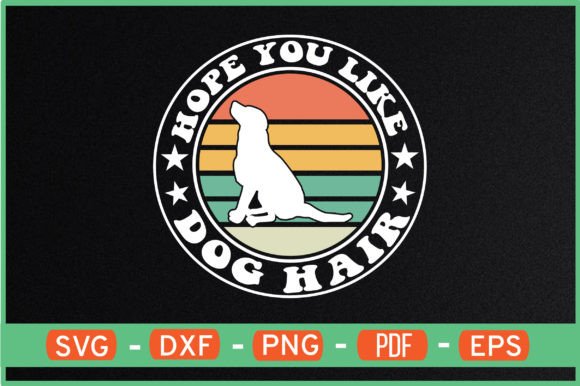
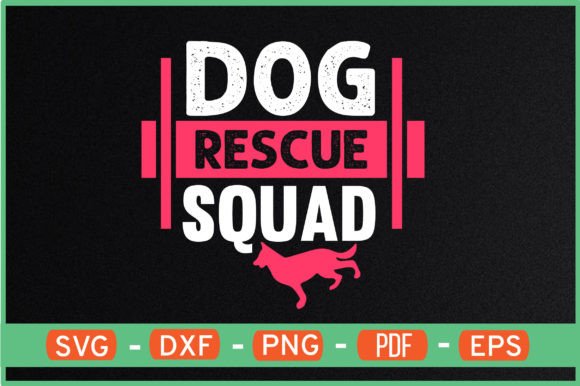
When I opened the DOG RESCUE SQUAD T-Shirt Designs file, my first thought wasn’t “cute dog” — it was “this feels like a mission statement stitched in thread.” The layout is clean and centered, with strong silhouette energy and balanced negative space. It’s not overly detailed — no tiny paw prints or micro-textured fur — but that’s intentional. This isn’t a portrait; it’s a badge. A rallying symbol. That makes it ideal for real-world embroidery use where clarity matters more than complexity: tote bags for shelter volunteers, crewneck sweatshirts for foster families, or baby onesies celebrating a newly adopted pup.
How It Stitches Up: Where Simplicity Becomes Strength
I tested DOG RESCUE SQUAD T-Shirt Designs on midweight cotton twill (for a custom apron) and lightweight fleece (for a youth sweatshirt). In both cases, the design held its shape beautifully — no distortion, no skipped stitches. Because it relies mostly on bold outlines and open fill areas rather than dense satin stitch or intricate gradients, stitch density stays manageable. That means fewer thread breaks, less stabilizer bulk, and smoother transitions across seams and curved surfaces like cap fronts or pillow covers.
It’s especially effective as an embroidered patch. The clean edges translate well to heat-applied or sewn-on applications, and the theme reads instantly — even at 3.5 inches wide. For Etsy sellers bundling personalized gifts, this design pairs naturally with neutral apparel: oatmeal tees, charcoal totes, navy caps. Customers recognize the sentiment immediately, which builds trust faster than abstract or overly stylized graphics.
Real-World Fit: What This Design *Does* (and Doesn’t) Do Well
- Shines on: Custom apparel, sweatshirt embroidery, tote bag design, embroidered patch production, nursery decor, holiday embroidery (think “Adopted & Adored” gift sets), and small shop product lines with purpose-driven branding.
- Needs caution on: Stretchy fabric (like jersey knits) without proper cutaway stabilizer, dark fabric where fine details could blur without high-contrast thread, and curved surfaces like baseball caps unless digitized with underlay and reduced density — which this SVG/DXF file doesn’t provide. You’ll need to adjust or hire digitizing help if using it commercially on headwear.
- Not ideal for: Baby embroidery requiring ultra-soft backing (the design’s crisp lines demand moderate stabilization), layered garments (e.g., hoodies with thick pockets), or products meant for frequent heavy washing unless you confirm thread quality and stitch lock settings.
Design Judgment: Beyond Aesthetics to Handmade Integrity
As a designer who reviews hundreds of digital embroidery files each year, I pay close attention to how a design supports — or undermines — the handmade product’s perceived value. DOG RESCUE SQUAD T-Shirt Designs lands firmly in the “supports” category. Its confident, uncluttered composition reads as professional, not DIY-casual. That matters when you’re pricing a custom embroidered tote at $48 or listing on Etsy with photos showing stitching texture and fabric drape. Buyers subconsciously equate clean lines with care, consistency, and intention — all things that boost buyer engagement and repeat orders.
It also works quietly for brand consistency. Whether you’re a craft business embroidering volunteer uniforms or a creative entrepreneur building a rescue-themed product line, this design anchors your visual voice without shouting. It leaves room for your colors, your fonts (if adding text later), and your story — making it versatile as a core design asset.
Practical Notes Every Embroidery Designer Should Check
- Test the design on scrap fabric first — especially if stitching on textured fabrics like terry cloth or looped fleece.
- Check thread color contrast carefully. On light fabric, navy or charcoal thread reads strongly. On dark fabric, go with bright white or metallic silver for visibility — avoid pale grays or beiges.
- Review stitch density in your embroidery software. If you see overlapping fill areas or tight corners, reduce density slightly before hooping.
- Confirm hoop size compatibility. While the design fits standard 4x4 hoops comfortably, double-check if your intended placement (e.g., left chest vs. full back) requires resizing — and whether scaling affects legibility.
- Inspect small details: the “SQUAD” lettering is bold but not overly condensed. Still, avoid shrinking below 2.75 inches wide — smaller sizes risk broken letterforms or uneven satin stitch coverage.
- Test it in black-and-white mockups. Does the shape hold up? Does the message land without color? With DOG RESCUE SQUAD T-Shirt Designs, it does — a sign of solid graphic thinking.
- Use proper stabilizer: medium-weight cutaway for knits, tear-away for stable wovens. Skip basic iron-on for anything beyond flat cotton tees.
- Verify licensing terms before selling finished items or bundling this as part of a digital product. The listing states “DIGITAL DOWNLOAD ONLY” — so confirm commercial rights directly with the seller if you plan to resell embroidered goods or include it in a craft bundle.
Final Thought: A Design That Earns Its Place
This isn’t just another dog graphic. DOG RESCUE SQUAD T-Shirt Designs carries warmth without saccharine overload, clarity without coldness, and purpose without pretense. It belongs in the toolkit of anyone creating meaningful handmade products — whether that’s a single personalized gift for a friend’s new rescue pup or a curated collection for a boutique supporting local shelters. As a Crafts and Graphics asset, it bridges digital convenience and tactile authenticity. Just remember: great embroidery starts with smart design judgment — and knowing exactly when and where to let a simple, heartfelt idea speak for itself.