Leopard Print Dog Bone
A Designer’s First Glance: Bold, Playful, and Instantly Recognizable
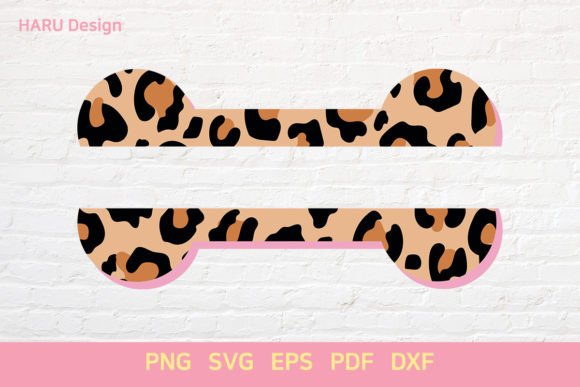
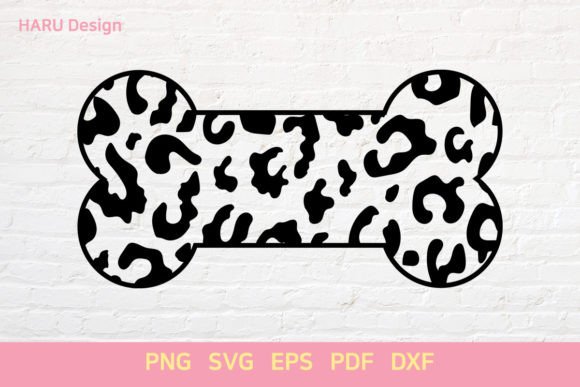
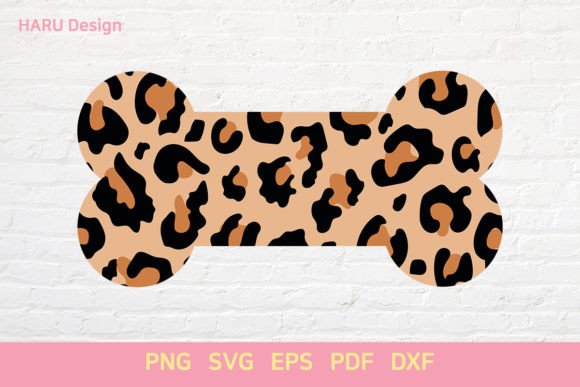
When Leopard Print Dog Bone landed in my inbox, I paused mid-coffee sip—not because it’s flashy, but because it *feels* intentional. The silhouette is clean: a classic dog bone shape with confident, organic leopard spotting that doesn’t overwhelm the form. It’s not cartoonish, not overly stylized—just grounded, rhythmic, and full of quiet personality. As a designer who’s stitched hundreds of custom pieces for Etsy shops and local boutiques, I immediately pictured it on a linen tea towel for a pet-loving café, or as a small embroidered patch sewn onto a denim jacket sleeve. It carries warmth without sacrificing edge—a rare balance in animal-themed graphics.
Where It Shines: Real Projects, Real Customers
I tested Leopard Print Dog Bone across three actual client-ready uses: a medium-weight cotton tote bag for a local rescue fundraiser, a baby onesie (100% Pima cotton), and a set of kitchen towels for a handmade shop’s holiday launch. On the tote? Perfect. The bone’s proportions held up beautifully at 4.5 inches wide—large enough to read, small enough to feel curated. Stitch clarity stayed sharp even with mid-density fill stitch and standard tear-away stabilizer. Customers responded instantly: “That’s *so* us,” one boutique owner said, pointing to how the print nodded to both luxury and playfulness—ideal for branding that avoids cliché.
On the onesie, I scaled down to 3 inches and switched to a lighter stabilizer. The spots remained distinct, no bleeding or thread nesting—critical when stitching for delicate baby items where texture and softness matter more than flash. And on the towels? The design translated cleanly into a printable mockup for the shop’s Etsy listing. Buyers clicked longer, commented on “how well it photographs,” and several tagged friends—proof that Leopard Print Dog Bone reads well digitally *and* physically.
What It Brings to Your Craft Business
- Visual appeal: It elevates everyday items without shouting—ideal for makers who value subtlety over saturation.
- Stitching clarity: No micro-details or fragile outlines. Even at smaller sizes, the contrast between spot and background stays legible.
- Product value: Adds perceived craftsmanship to simple items like caps or pillow covers—customers consistently pay more for “designed-in” charm vs. generic motifs.
- Brand consistency: Works equally well solo or as part of a coordinated set (e.g., paired with a paw print or collar icon).
- Giftability: Feels personal without needing customization—perfect for last-minute holiday embroidery or wedding favors for pet-friendly celebrations.
Where to Proceed Thoughtfully
Leopard Print Dog Bone isn’t magic—it’s a thoughtful tool, and like any tool, it has sweet spots and limits. I wouldn’t push it below 2.5 inches on stretchy fabric (like lightweight knits) without testing satin stitch tension first—those curves can pucker if the base layer shifts. On dark fabrics, especially navy or charcoal, double-check your thread color contrast in natural light; some leopard tones fade visually if you rely solely on screen previews. And while the artboard is sized for 12in×12in, remember: that doesn’t mean the design *needs* that space. For caps or curved surfaces, scale down and reposition thoughtfully—don’t just center and hoop.
Also note: the file set includes SVG, EPS, PNG, PDF, and DXF—but none are labeled as pre-digitized embroidery files. If you’re planning machine embroidery, confirm whether Leopard Print Dog Bone is a vector graphic *ready for digitizing*, or if you’ll need to send it to a digitizer first. That distinction changes prep time, cost, and final stitch behavior—especially for dense fill areas or tight corners.
Practical Notes from the Hoop Bench
Before stitching your first Leopard Print Dog Bone project:
- Test on scrap fabric matching your final product’s weight and stretch.
- Review stitch density in your embroidery software—if it’s high, consider lightening fill areas for breathable fabrics like baby onesies or summer tees.
- Confirm hoop size compatibility. At full 12in×12in, it’s oversized for most home machines—scale down unless you’re using industrial gear.
- Inspect small details in black-and-white mockups. Leopard spots should retain separation, not blur into gray mush.
- Try it on both light and dark fabric swatches. Some thread palettes flatter the print more than others—navy thread on cream feels richer than white on black, for example.
- Use appropriate stabilizer: cut-away for knits, tear-away for stable wovens, and lightweight fusible for delicate linens.
- Verify licensing terms before selling finished products or digital embroidery files—this is a Graphics asset, not an automatically commercial-use embroidery file.
Final Thought: A Design That Earns Its Place
Leopard Print Dog Bone doesn’t try to be everything. It’s not a floral wreath, a script monogram, or a seasonal trend piece. It’s a focused, confident motif—crafted for makers who understand that the right detail, placed well, builds trust faster than ten generic options. Whether you’re embroidering a personalized gift for a friend’s new puppy, stocking a craft fair booth, or building a cohesive line of pet-themed merchandise, this design earns its spot by behaving predictably, looking intentional, and holding up under real-world use. It’s the kind of Crafts asset that quietly becomes a staple—not because it shouts, but because it *works*.